Deck Building in Auburn, KS
Topeka Deck Builders provides deck buildingfor homes and businesses in Auburn and the surrounding area.
📞 Call (785) 329-4082Services Available in Auburn
Auburn traces back to an 1847 Catholic mission and sits at the headwaters of the Wakarusa River, which flows northeast from here toward the Kansas River in Douglas County. That river-source setting gives a lot of Auburn-area properties larger, sloped, or wooded lots, which changes the footing and access planning for a deck build compared to a flat in-town lot.
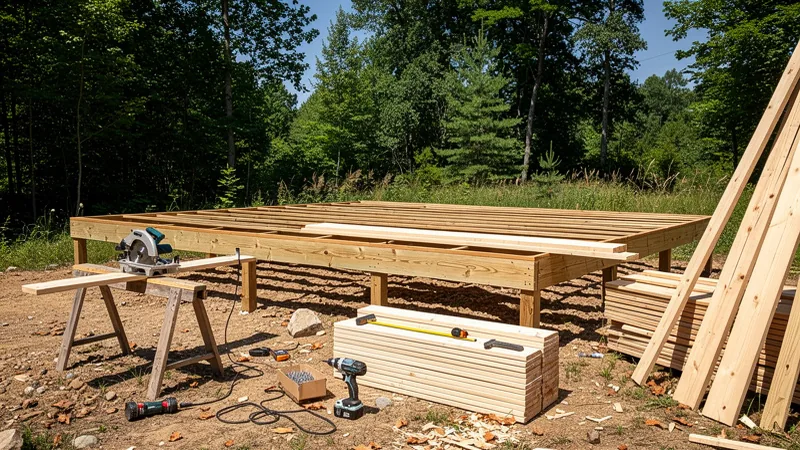
Auburn: Source of the Wakarusa River
ZIP codes covered: 66402
Nearby Areas We Serve
Frequently Asked Questions
Do I need a permit to build a deck in Topeka?
Decks 150 square feet or smaller, no more than 30 inches above grade, and projecting 10 feet or less from the house are exempt. Anything larger, higher, or attached to the structure requires a City of Topeka building permit, which we pull and handle as part of the job.
How deep do deck footings need to be in Topeka?
Footings need to go below the local frost line, roughly 30 to 36 inches in the Topeka area, to avoid heaving during the region's 80 to 110 annual freeze-thaw cycles. A footing designed for a warmer climate is not code-compliant here.
How much does a new deck cost in Topeka?
Pressure-treated wood decks typically run $25 to $45 per square foot installed, while composite decking runs $45 to $85 per square foot, depending on size, height above grade, and structural complexity. We confirm final pricing with a written quote after the on-site estimate.
How often should a wood deck be restained in Kansas?
Most wood decks in the Topeka area need restaining every 2 to 3 years given the region's humid summers, sooner for decks with heavy afternoon sun exposure. Composite decking never needs restaining.
What areas do you serve around Topeka?
Topeka, Auburn, Silver Lake, Rossville, Tecumseh, and the rest of Shawnee County, KS.
My existing deck feels unstable — is it a repair or does it need to be rebuilt?
It depends on the footings, not just the boards. If the original footings weren't poured below frost depth, which is common in older decks built before code enforcement was consistent, patching the surface just delays a bigger failure. We inspect the substructure before recommending repair versus full rebuild.